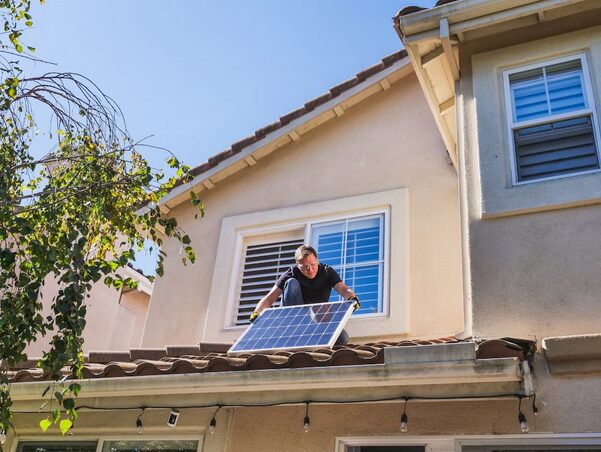
Solar Panel System Optimization: Tips for Peak Performance
If you’ve invested in solar energy, you’re already taking a step in the right direction for both your wallet and the environment. To truly reap the full benefits of your solar panel system, you need to ensure its peak performance. Solar panel optimization isn’t just about installation; it’s also about how you maintain and adjust the full size panels and the system over time.
Schedule Regular Cleaning and Maintenance
One of the easiest ways to keep your solar panels performing at their best is regular cleaning and maintenance. Over time, dust, dirt, bird droppings, and leaves can accumulate on the surface of your panels, preventing them from absorbing sunlight effectively. This buildup can significantly reduce your panels’ ability to produce energy. Depending on the environment around your home, cleaning the panels once a year is often enough. If your home is in a dusty spot or around trees, cleaning it a bit more often will work. Simply use a soft cloth and warm water to remove dirt and debris. Regularly inspecting the panels for any cracks or damage will also help spot issues before they escalate.
Keep the Shades Away
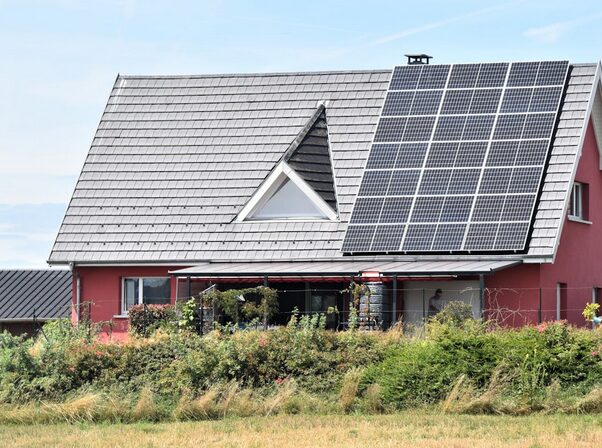
Shading can have a major impact on the efficiency of your solar panels. Even partial shading can lead to a significant reduction in energy production, as it prevents the panels from receiving full sunlight. Trees, roof vents, chimneys, and other obstructions may cast shadows, especially in the afternoon. If you notice a drop in energy output, one of the first things to check is whether there are any new sources of shading. Trim trees or bushes that may be blocking sunlight, or consider relocating the panels to a sunnier spot if possible. You can also install optimizers or microinverters, which allow each panel to operate independently.
Monitor Your System’s Performance
Technology has made it easier than ever to monitor the performance of your solar panel system. Many modern solar systems come with built-in monitoring tools that allow you to track energy production in real time. This can be a game-changer for quickly spotting issues, such as decreased energy output. By regularly checking the performance metrics, you can identify any drops in production and take action before they turn into bigger problems. If your system is underperforming, it might be due to something as simple as dirt buildup or a more complex issue like a malfunctioning inverter.
Upgrade Components for Efficiency
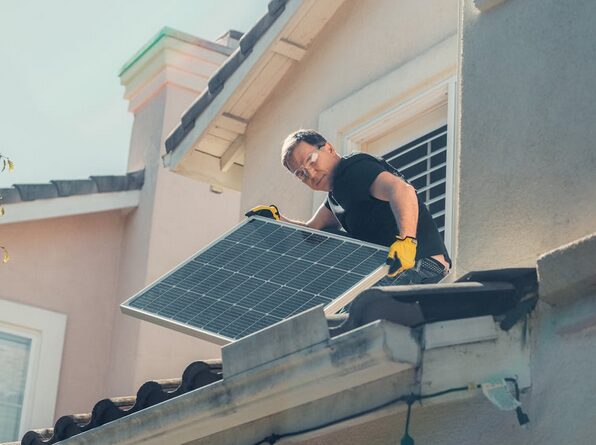
While the initial investment in solar panels can be high, there are always ways to enhance the system to increase its efficiency over time. Consider upgrading older panels to more efficient models, which can produce more energy in the same amount of space. Another potential upgrade is to switch to higher-quality inverters or add optimizers to your system. If you have full size panels, upgrading certain components like wiring, inverters, or even adding additional panels can give your system a significant performance boost. By working with an experienced installer or technician, you can evaluate your system’s performance and see where improvements can be made.
Solar panel systems are an excellent way to reduce your environmental impact and lower your energy bills. However, maximizing the efficiency of your system takes more than just installation. Regular cleaning, minimizing shading, monitoring performance, and upgrading components are all essential for keeping your solar panels in optimal condition.