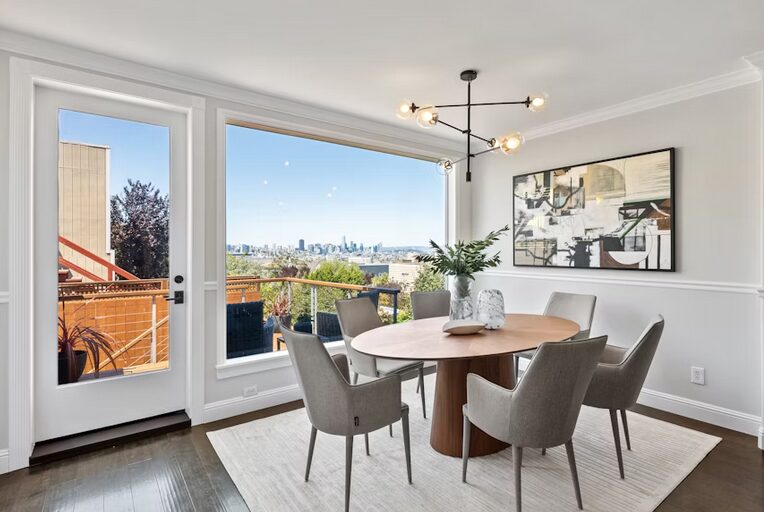
Mistakes People Make When Styling Open-Concept Dining Areas
Open-concept layouts have become a beloved staple in modern interior design. They offer flow, flexibility, and connectivity—ideal for entertaining or spending time with family. However, creating a cohesive, attractive, and functional dining space within that open layout can come with its fair share of missteps. Before rushing to purchase that trendy dining set or hang bold art, take a moment to understand the potential pitfalls. And if you’re seeking a dose of modern table setting inspiration for 2024, new trends are already pointing homeowners in fresh and vibrant directions. Here are common mistakes people often make when styling open-concept dining areas—and how to get things right the next time.
Having Zero Visual Boundaries
A frequent issue in open-concept spaces is failing to define zones clearly. Without walls separating the living, kitchen, and dining areas, everything can start to blur into one indistinct, chaotic space. Skipping over visual boundaries makes it hard to create a distinct dining area that feels intentional. Use visual cues such as area rugs, ceiling light fixtures, or contrasting furniture styles to subtly section off the dining zone. Even a shift in flooring material or a row of plants can provide the perception of a “room” within a room.
Choosing Oversized or Undersized Furniture
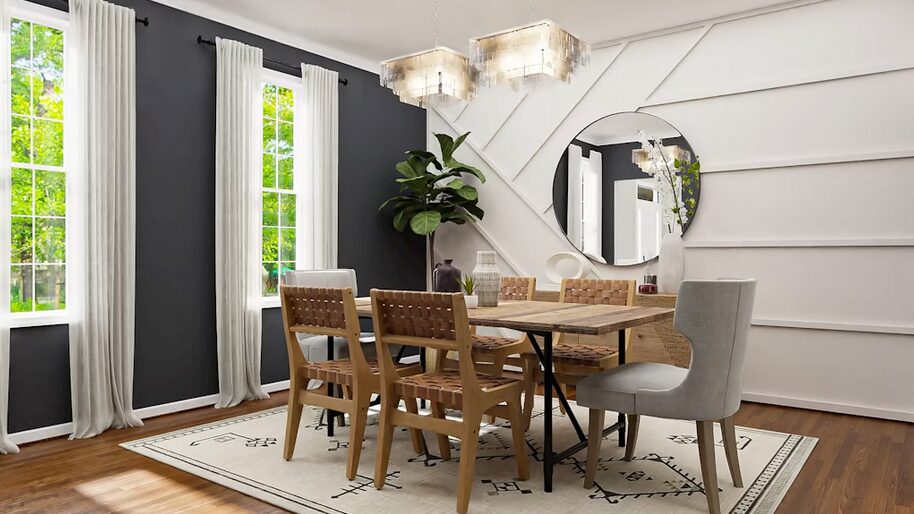
Furniture that is either too large or too small for the space can ruin the overall harmony of your open layout. An oversized dining table can overwhelm the entire area, making movement awkward. On the other hand, furniture that’s too small might feel lost, making the dining zone appear like an afterthought. Take accurate measurements before buying dining furniture. There should be enough room to pull out chairs comfortably and for people to walk around freely. If the dining area is compact, opt for round tables or bench seating to save space without sacrificing style.
Skipping Cohesive Color Schemes
When each area of an open-plan space is styled in entirely different colors or finishes, it creates visual chaos. The dining area should connect aesthetically with the kitchen and living room—otherwise, the design feels fragmented. Stick to a unified color palette that threads through the entire space, then differentiate areas with texture, artwork, or small decorative accents. For instance, your dining chairs might match the undertones of your living room sofa, but vary in material or finish to keep it interesting.
Ignoring Lighting Balance
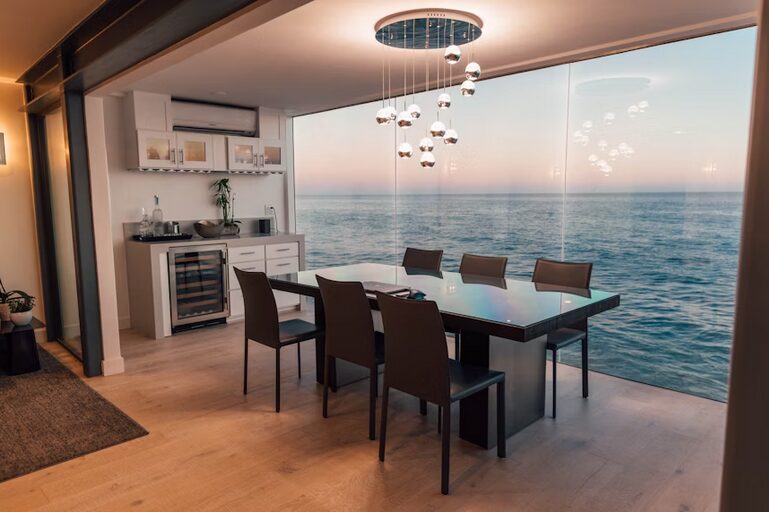
Relying solely on one overhead light fixture for an open dining space is a common misstep. Lighting plays a vital role in how welcoming and functional the space feels. Too bright, and it feels sterile. Too dim, and it’s impractical. Use layers of lighting to balance ambiance and utility. Pendant lights over the dining table can help anchor the area visually, while nearby floor or table lamps in adjacent zones can offer softer accents. Avoid using only recessed lights or relying on light from adjoining spaces.
Forgetting to Personalize
Some open-concept dining areas suffer from feeling too sterile or too showroom-like. People often hesitate to add personality, thinking it might clash with the open surroundings. But skipping personalization can make the area feel cold or disconnected. Bring in personality through small, changeable elements like centerpiece bowls, wall art, or fabric choices. Personal touches don’t have to overwhelm the space. Even rotating in seasonal table linens or a curated set of dining chairs can inject warmth and make the dining zone feel like part of the home.
Designing a functional and stylish dining space in an open-concept home takes more than just placing a table and chairs near the kitchen. It involves thoughtful visual boundaries, furniture scale, lighting strategy, cohesive color, and a dash of personality. Avoiding these common pitfalls can help transform your dining area into a central and inviting part of your home’s layout—an area that balances beauty and practicality in equal measure.