pergola

Why Pergolas Continue to Enhance Backyard Design

Outdoor living has become an important part of modern home design. Homeowners increasingly view their backyards as extensions of their indoor living spaces rather than areas used only occasionally. This shift also reflects the growing interest in biophilic design, which focuses on bringing natural elements such as wood, light, and air into living spaces to create a more personal oasis. As a result, features that improve comfort, appearance, and functionality continue gaining popularity. Among them, pergolas remain one of the most practical additions to residential landscapes.

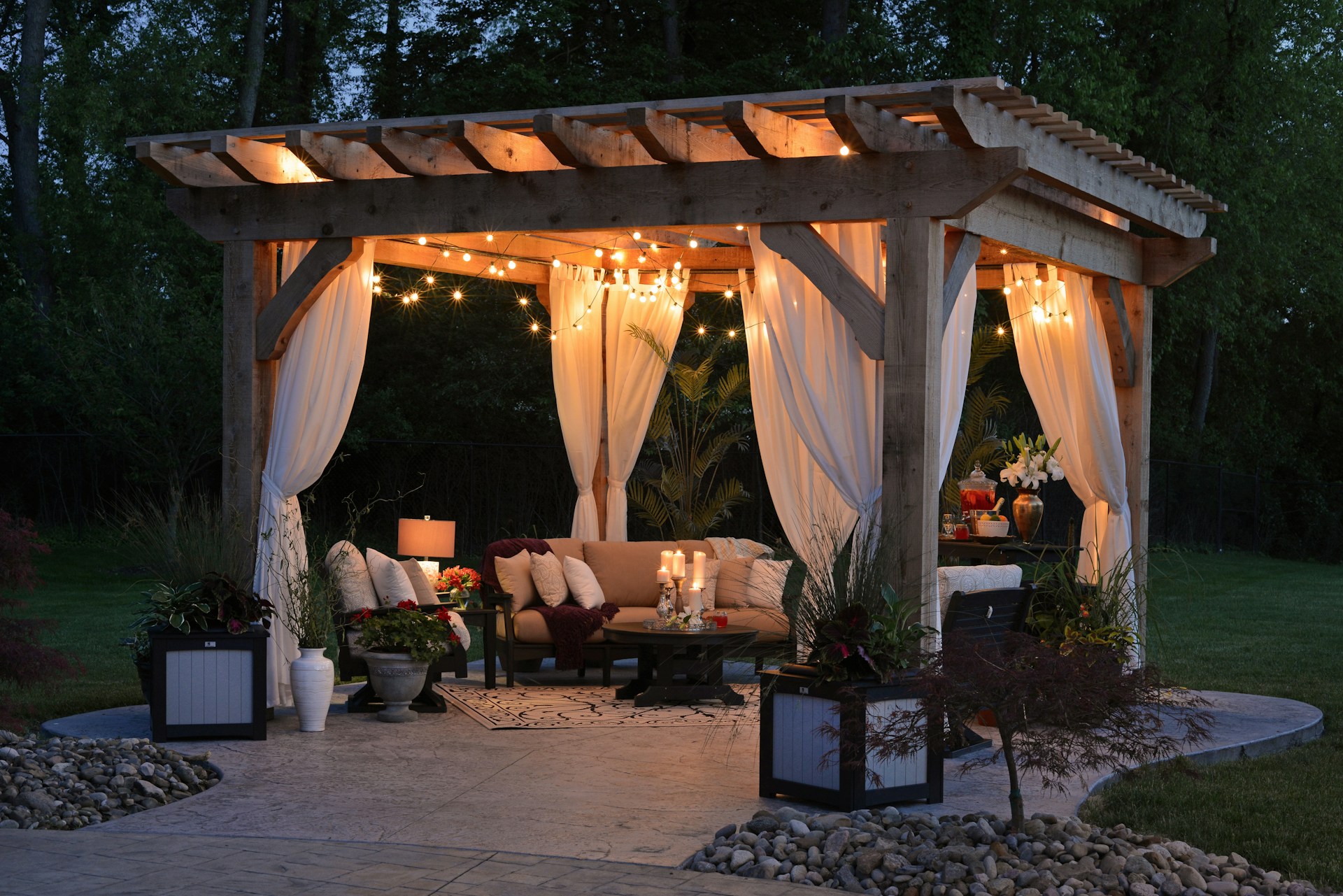
A pergola is an open outdoor structure supported by vertical posts with overhead beams that provide partial shade while defining a specific area. It can stand alone or connect to a house, patio, or deck. Beyond its visual appeal, a pergola creates a more usable outdoor environment for relaxation, dining, and entertaining. The growing interest in biophilic design, as explained in https://www.jolie.de/leben/biophilic-design-das-steckt-hinter-dem-wohntrend-2026-219084.html, also highlights the appeal of incorporating natural elements into outdoor spaces. Understanding why pergolas continue to enhance backyard design helps explain why they remain a lasting feature in residential landscaping.

Creating Comfortable Outdoor Spaces

One of the biggest reasons homeowners install pergolas is to improve comfort outdoors. Spending time outside becomes more enjoyable when there is protection from direct sunlight. Although pergolas do not completely block the sun, their overhead beams create filtered shade that helps reduce heat while maintaining an open and airy atmosphere. Some homeowners also add retractable canopies, climbing plants, or shade panels to increase protection during warmer …
living room

Reasons Some Small Rooms Feel Larger Than Their Measurements Suggest

A small room does not always feel small, and its dimensions are only part of the story. The way light enters, furniture is arranged, sightlines are maintained, and surfaces are connected can all influence how spacious an interior appears. Discussions around modernizing older homes, such as those featured by www.hausbauhelden.de/news/altbau-modern-und-zukunftsfaehig-machen-sanierungstrends-2026-vom-energiecheck-bis-zur-klimagerechten-modernisierung/, also demonstrate how thoughtful design choices can improve the experience of existing spaces. Even modest rooms can feel surprisingly open when their visual and functional elements work together. Exploring these factors helps explain why perceived spaciousness often differs from measured floor area and what makes certain compact rooms feel larger than expected.

How Natural Light Changes Spatial Perception

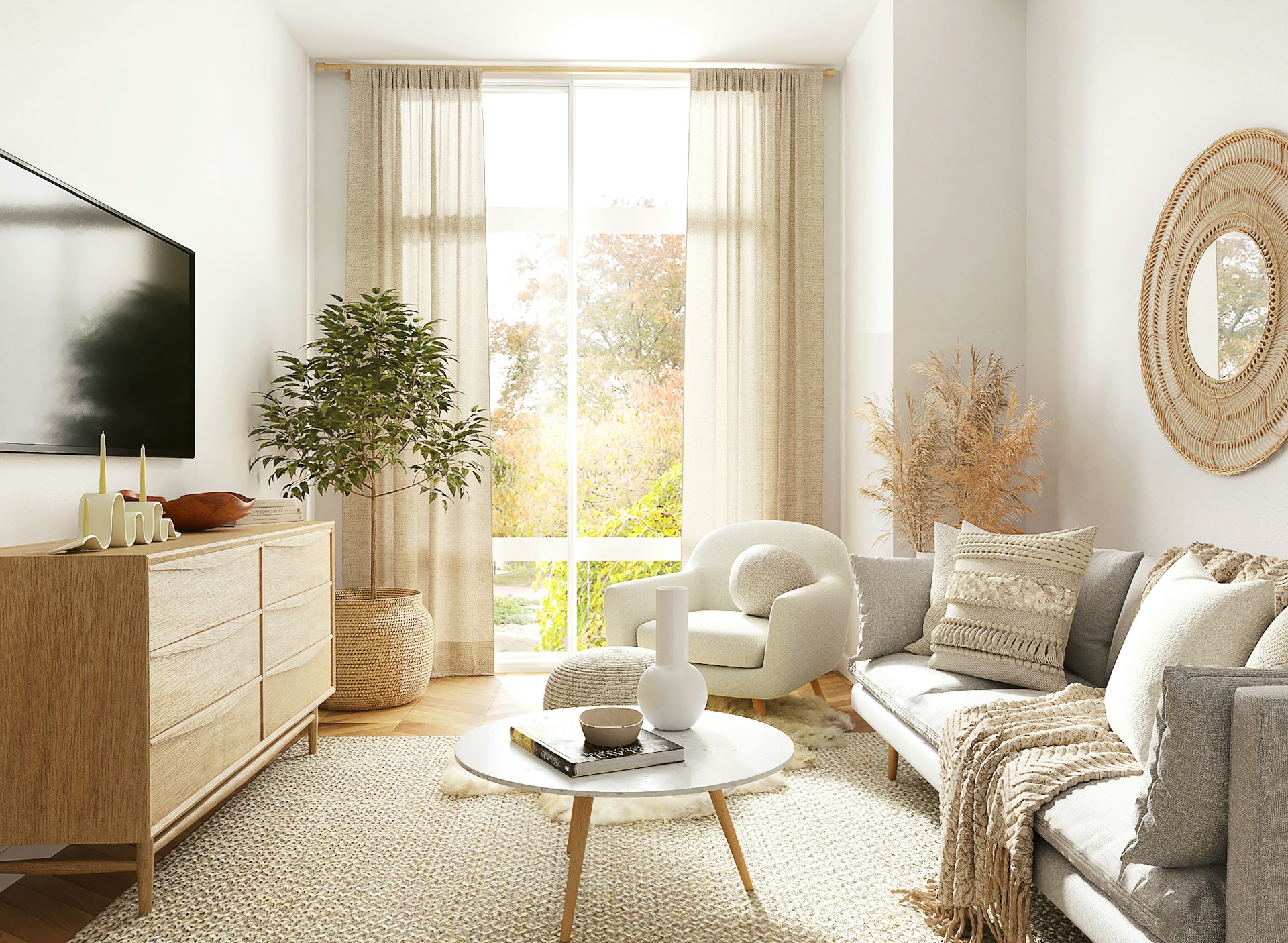
Natural light can have a significant effect on how large a room appears. When daylight enters through well-positioned windows, it can make surfaces feel brighter and reduce the sense of enclosure created by darker corners. Windows also establish a visual connection with the outdoors, extending the perceived boundaries of the interior. A room with a clear view beyond its walls may therefore feel deeper than its physical dimensions suggest. The quality and direction of daylight can influence this effect throughout the day as changing sunlight alters the appearance of the space.

Why Visual Continuity Creates Openness

Visual continuity between adjoining areas can make a small room appear larger by reducing the number of boundaries the eye encounters. When flooring, colors, or architectural details flow between connected spaces, the transition between areas becomes less visually restrictive. Open doorways and carefully positioned openings …