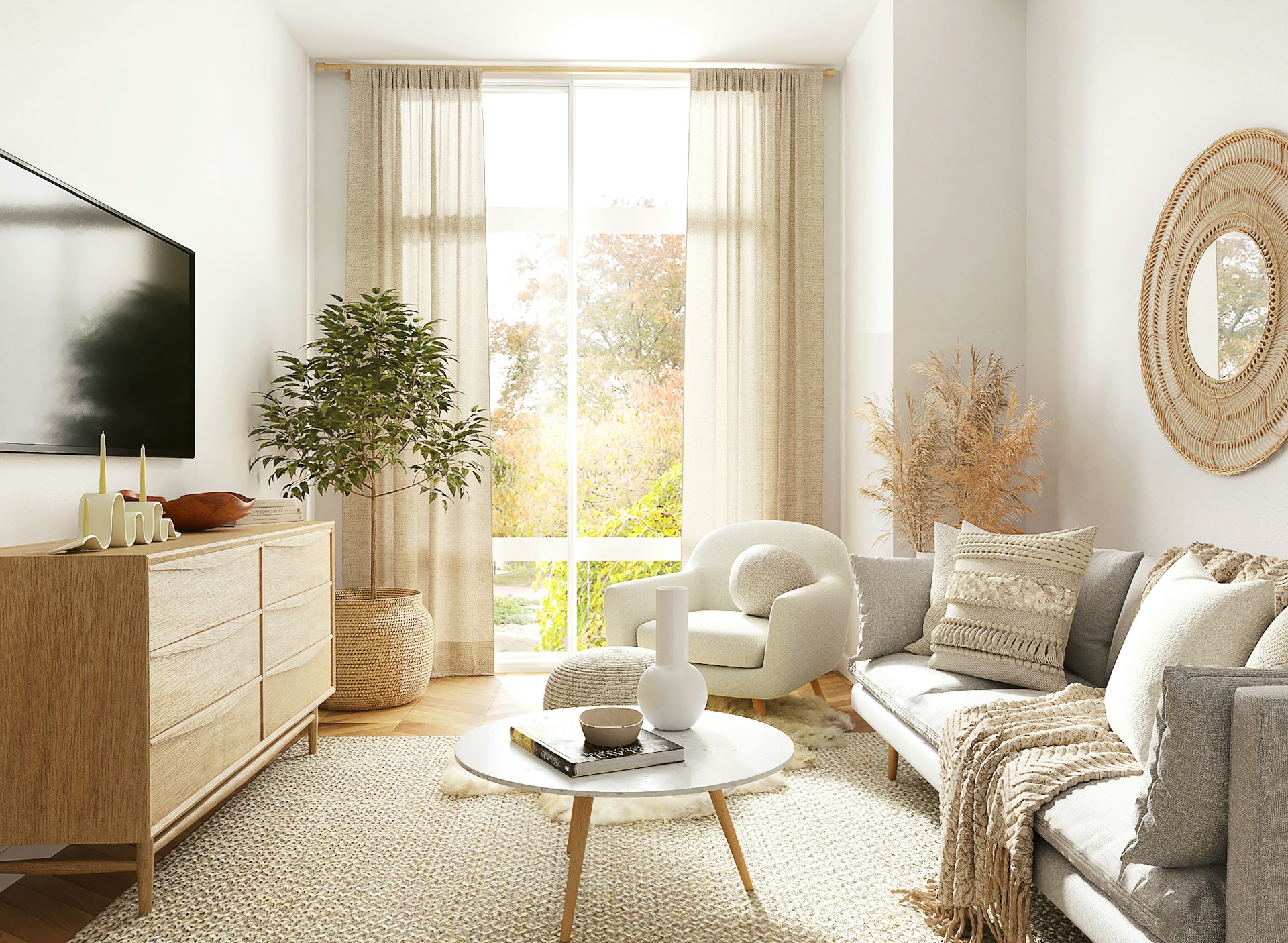
Reasons Some Small Rooms Feel Larger Than Their Measurements Suggest
A small room does not always feel small, and its dimensions are only part of the story. The way light enters, furniture is arranged, sightlines are maintained, and surfaces are connected can all influence how spacious an interior appears. Discussions around modernizing older homes, such as those featured by www.hausbauhelden.de/news/altbau-modern-und-zukunftsfaehig-machen-sanierungstrends-2026-vom-energiecheck-bis-zur-klimagerechten-modernisierung/, also demonstrate how thoughtful design choices can improve the experience of existing spaces. Even modest rooms can feel surprisingly open when their visual and functional elements work together. Exploring these factors helps explain why perceived spaciousness often differs from measured floor area and what makes certain compact rooms feel larger than expected.
How Natural Light Changes Spatial Perception
Natural light can have a significant effect on how large a room appears. When daylight enters through well-positioned windows, it can make surfaces feel brighter and reduce the sense of enclosure created by darker corners. Windows also establish a visual connection with the outdoors, extending the perceived boundaries of the interior. A room with a clear view beyond its walls may therefore feel deeper than its physical dimensions suggest. The quality and direction of daylight can influence this effect throughout the day as changing sunlight alters the appearance of the space.
Why Visual Continuity Creates Openness
Visual continuity between adjoining areas can make a small room appear larger by reducing the number of boundaries the eye encounters. When flooring, colors, or architectural details flow between connected spaces, the transition between areas becomes less visually restrictive. Open doorways and carefully positioned openings …