Reasons Some Small Rooms Feel Larger Than Their Measurements Suggest
A small room does not always feel small, and its dimensions are only part of the story. The way light enters, furniture is arranged, sightlines are maintained, and surfaces are connected can all influence how spacious an interior appears. Discussions around modernizing older homes, such as those featured by www.hausbauhelden.de/news/altbau-modern-und-zukunftsfaehig-machen-sanierungstrends-2026-vom-energiecheck-bis-zur-klimagerechten-modernisierung/, also demonstrate how thoughtful design choices can improve the experience of existing spaces. Even modest rooms can feel surprisingly open when their visual and functional elements work together. Exploring these factors helps explain why perceived spaciousness often differs from measured floor area and what makes certain compact rooms feel larger than expected.
How Natural Light Changes Spatial Perception
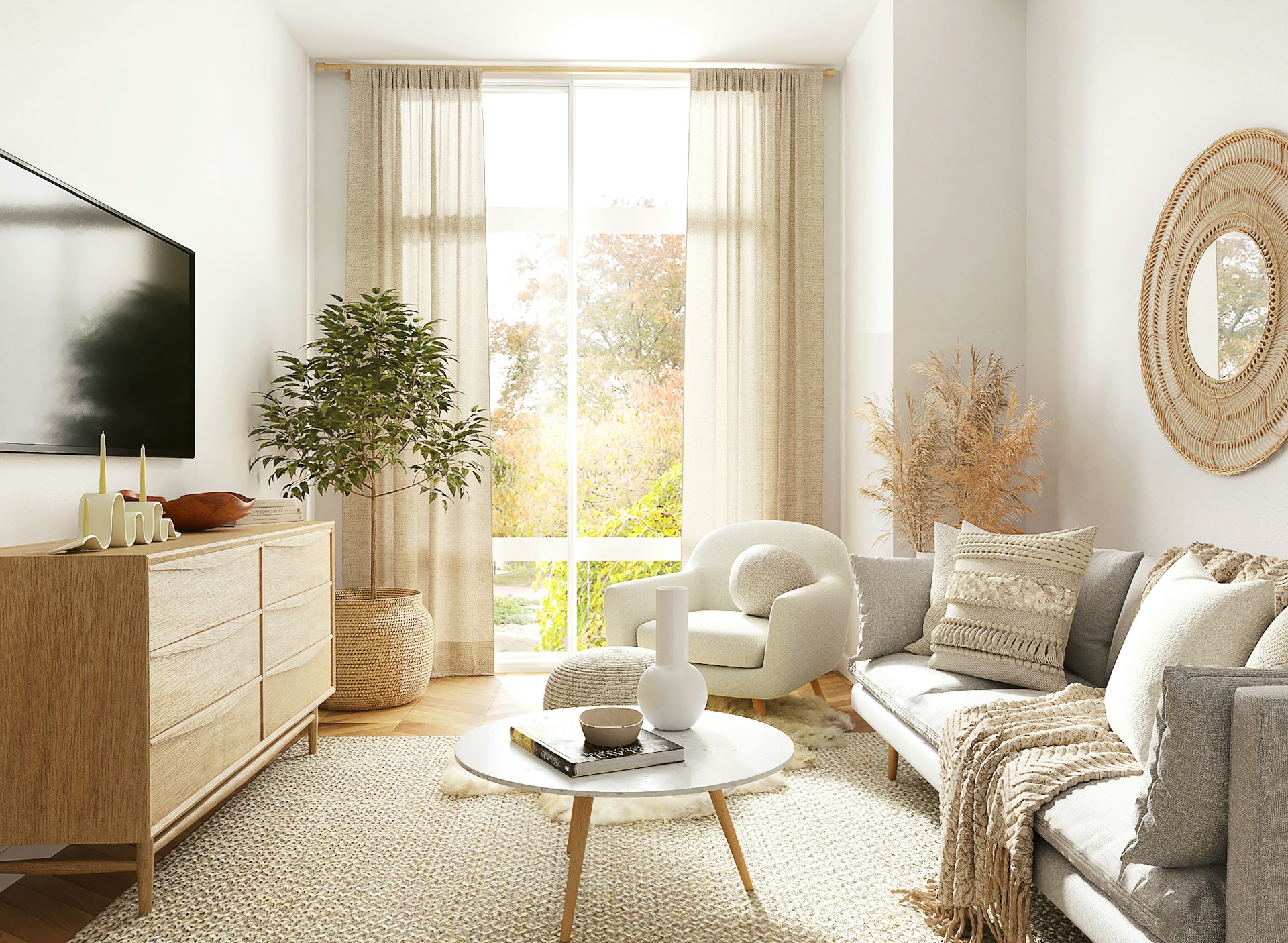
Natural light can have a significant effect on how large a room appears. When daylight enters through well-positioned windows, it can make surfaces feel brighter and reduce the sense of enclosure created by darker corners. Windows also establish a visual connection with the outdoors, extending the perceived boundaries of the interior. A room with a clear view beyond its walls may therefore feel deeper than its physical dimensions suggest. The quality and direction of daylight can influence this effect throughout the day as changing sunlight alters the appearance of the space.
Why Visual Continuity Creates Openness
Visual continuity between adjoining areas can make a small room appear larger by reducing the number of boundaries the eye encounters. When flooring, colors, or architectural details flow between connected spaces, the transition between areas becomes less visually restrictive. Open doorways and carefully positioned openings can produce a similar effect by allowing one space to be seen from another. Even when rooms remain physically separate, these connections can create a stronger sense of overall volume and make individual areas feel less confined.
The Influence of Room Proportions
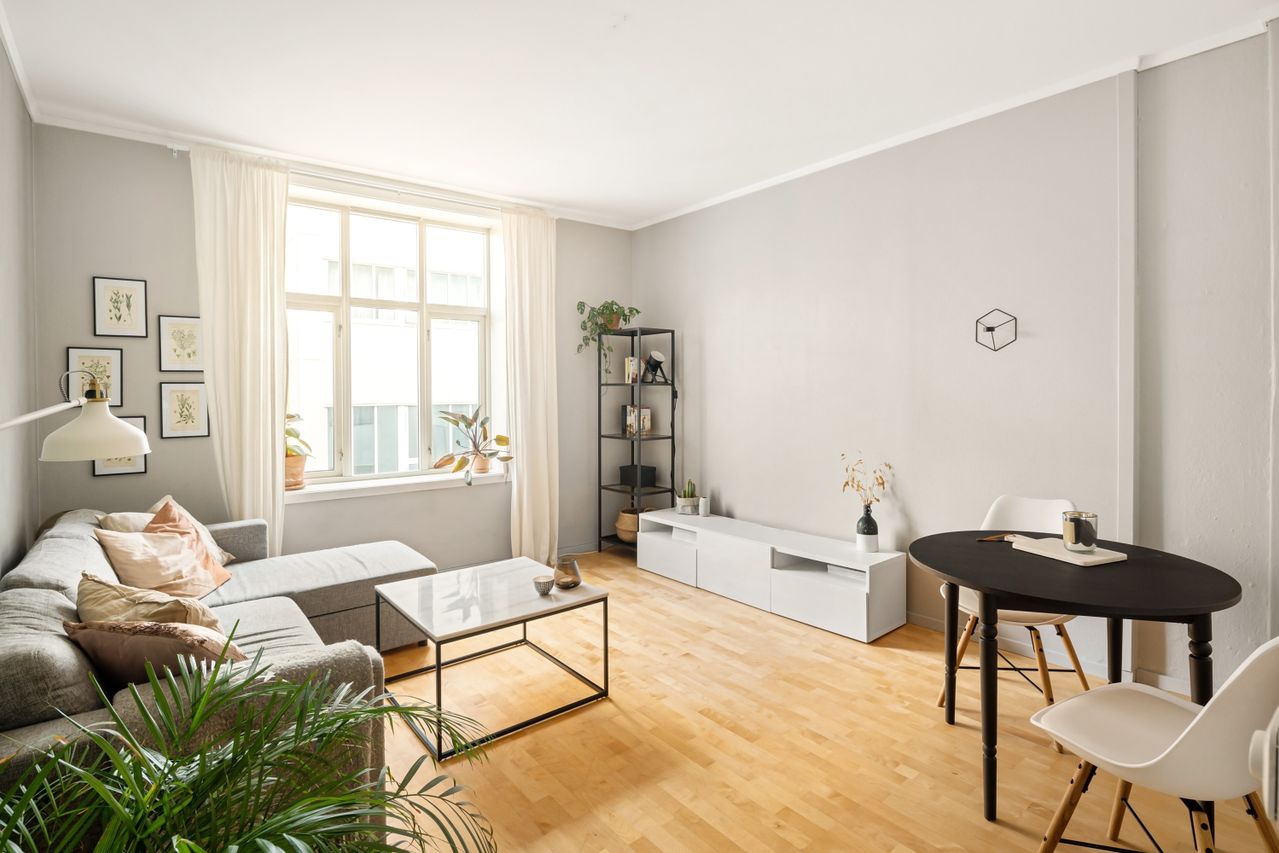
The relationship between a room’s length, width, and height can strongly affect how its size is perceived. A narrow room with greater length may feel more spacious when the eye can follow a clear visual direction through it. Ceiling height also contributes to the impression of volume because greater vertical space can make a compact floor area feel less enclosed. This demonstrates why measurements alone provide an incomplete picture. The proportions between different dimensions can influence whether a room feels balanced, compressed, elongated, or surprisingly open.
How Uninterrupted Sightlines Affect Space
Sightlines can make a significant difference to the perceived size of a room. When furniture, partitions, or architectural features block views across the space, the room can appear smaller because the eye encounters more visual interruptions. Clear sightlines allow people to see further across the interior and sometimes into adjacent spaces, creating a greater sense of depth. This effect can be particularly noticeable in compact homes, where maintaining visual connections between areas can make the overall interior feel more continuous.
Why Organization Influences the Feeling of Space
The way elements are arranged within a small room can affect whether the space feels orderly or crowded. When circulation paths remain visually clear, and major furnishings relate logically to the room’s proportions, the available floor area can appear more usable. In contrast, poorly coordinated elements can create visual congestion that makes the room seem smaller than it actually is. This demonstrates that perceived spaciousness depends partly on how effectively the physical boundaries, furniture, and movement patterns work together.
Some small rooms feel larger than their measurements suggest because spatial perception depends on much more than floor area. Natural light, visual continuity, room proportions, clear sightlines, and organized layouts can all influence how the eye interprets the boundaries and volume of an interior. These factors can create impressions of depth, openness, and movement that are not immediately apparent from measurements alone. Understanding this relationship helps explain why physical size and perceived spaciousness can differ considerably, even when two rooms have similar dimensions.